Nice writeup about the benefits of homogeneity in an engineering organization. It also shows how it is a balancing act though, since you need experiments to happen in a controlled way for evolution to still happen.


A bit too archetypal for my taste but there's some truth to it. If you lean towards "explorer" (I think I do), it's hard to be also a leader. Now you could be aware of your flaws and put tools in place to compensate for them when you need lead.
This is an impressive piece about decision making and leadership. I love the approach: seeking to get the decision out of the person instead of deciding for them.
You got a career ladder in place? Well, that's just a first step, how do you make sure the expectations are clear to people? How do you follow through? This article helps with those questions.
Nice ideas for decision making in larger groups.
This is a good list. I guess some of it feels obvious... at the same time it's indeed something you don't see every day. More awareness from managers is needed.
Definitely this, the context matters a lot. Sometimes I've seen people too quick to blame the skillset of underperforming colleagues. But the same person in a different context could probably do much better.

Good piece, this is indeed essential in managing others. If they can't trust you then fear will ensue.

Yes, seen this kind of imprecise requests go wrong fairly quickly more than once. It requires constant awareness though, on both sides of each request. This can be taxing, so no wonder we often drop the ball.
Interesting taxonomy on how to request things from people. Lot's to mull over in there.
Definitely an excellent list to have in mind as soon as you get to engineering management. The four areas listed are the most important.
Good advices. Keep some slack, have an idea of your energy level, that's what impacts your capacity. Time is a given you can't do much with it.
Good starting point before really exploring this field deeper. Especially important here is the last section on how to use them properly. Be cautious, keep people well-being in mind at all time.
Very good review of the McKinsey paper about developer productivity. It not only highlights all the problems with it, it also makes suggestions to make a better paper next time.
Definitely this, I too often see people trying to just power through. Being responsible of something doesn't mean you do it all alone, on the contrary. If you're struggling with it look for help, it can take many forms including coaching.
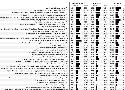
Interestingly (or maybe unsurprisingly) most of the factors this research found impactful are not technical. So mind the social constructs of your organization.

Lots of food for thought in here. I really appreciate how Kent Beck's thinking keeps evolving. This Explore, Expand, Extract curve is indeed a good way to frame things. It is a good base to know what to put in place or not.

This is indeed an interesting scale to keep in mind. Teams shouldn't get too big, or too small.
Ever wondered what the job of CTO encompasses? This article does a good job at it. It's especially nice that it's split based on company size. Indeed, the role can change dramatically depending on how big an organization is.
This is a sound advice. In other words, don't commit too early, only when you got enough information. Of course monitor to make sure you don't miss said information.