
There are indeed cases where it's important to provide more context on the code which changed following up a comment by the reviewer.


This is a bigger trap than it sounds. It is very easy to fall into it.

Interesting piece which shows very well the complexity of the hardware supply chain. The parts which matter the most are largely ignored by everyone.
More signs of C++26 being an important new standard for reliability and safety.
Don't forget, it's all namespaces!
Since I still hear about "microservices" more often than I'd like to. Here is another piece which points the trade-offs and that really there's no one size fits all.
Interesting pattern for managing materialized views over a long time.

Curious about WebGPU? This looks like it'll become a very good resource for that.

This is very comprehensive! It is also overwhelming... So many things to think about when making a website nowadays.
Wondering how that works when it runs properly? Here is an example of a Kaizen board in a japanese factory.
Good approach, you indeed need to immerse yourself in the context and see the recurring patterns. That's the best way to figure out impactful solutions to recurring issues.

They're definitely handling this part right, they seem well ahead everyone else.
Interesting take, it's more than just about hard drives being full. Indeed, there are many things on which we tend to procrastinate. But on the other hand... so many budgets to track otherwise!
Very interesting series I previously missed. It explores if software engineering is really engineering, and the differences with other engineering fields. Quite a few nice lessons to draw from it.
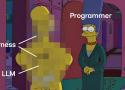
Funny, I was using that exact same term recently: "brute-force driven development". It describes fairly well how the harnesses work.
Nice post on how to approach problems suitable for SIMD.
Quite a few nice Postgres tips. The first ones are rather basics the less common tips are toward the end. Could have a few more details at times, but that's a good starting point.
Looks like a nice improvement over std::unique_ptr for managing pimpl indeed. Really interesting stuff coming in C++26.
Wondering how the graphics pipeline works for 3D rendering? This is a nice lecture on how to implement a purely software one. If gives a good idea of what needs to happen.

More ideas of things to check to harden a service, goes beyond just what's deployed. Many good points on how to handle errors and such.