I like this article somehow. Indeed I'd like to see more guilt in the people shipping bugs in production (myself included probably). Also I'm very much aligned with the proposed approach to tame issues: thinking, types, tests, and telemetry.


A good piece showing some of the problems with how the term technical debt is widely misused. There's a problem with the metaphor itself, you rarely have the information level needed to call it debt.
Some more details about std::indirect. Honestly looking forward to having it widely available.
Interesting slide deck about coaching in tech circles. Clearly provides good inspiration both for coaches or if you're the one requesting to be coached.
Excellent piece about code reviews. But it goes further than that and shows how our skills could improve. By tackling this question it does a good job showing we don't know where the ceiling is in terms of skills in our craft.
A nice and simple approach to sandbox a command. Of course with the system integration it's a bit porous bit it might be a good base for quite a few uses.
When more concurrency might not help. Illustration with the case of database queries.
Careful how you use DISTINCT or ORDER BY on very large tables. You might want to reevaluate (after checking if there's a problem of course).
Interesting tool. Maybe more chances for C++ and Rust hybrids?
Another nice addition to the standard for dealing with embedded assets.
Yes please! The amount of email system which get it wrong nowaday is really kind of sad.

Interesting policy. I think it strikes a good balance.
Indeed, so many things to do to deter bottom feeders. Lots of good funny ideas in there.
Long and nice guide about watchdogs in an embedded context.

It keeps growing! This is a good thing, let's hope the trend won't change.
This campaign is definitely worth a try. Hammering people with cookie banners exhibiting dark patterns isn't exactly a good way to seek people consent.
Indeed Atom is a better standard than RSS for feeds.
And indeed that makes it as important as the final product.
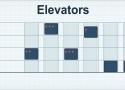
Nice little post with simulations about the algorithms behind elevators. It's quickly more complex than it sounds.
There is truth here that our profession reinvents the wheel way to often. Some problem are solved, they don't need reinventing. Be careful on your dependencies though, this is where lies the tradeoff.