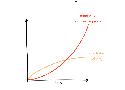
Good explanations on why trading quality for speed is always a bad idea. It also goes on about how to avoid sacrificing quality through the definition of done and proper estimates.


Early days but this potentially looks like an interesting tool to manage developer environments.

The come back of the Dead Internet Theory? Getting more and more probable by the minute indeed thanks to the newer wave of generative AI text and art.
A good reminder for some of the loudly annoying Free Software users out there.
A good reason to try to make pages as small as possible. Interesting to see where this threshold is coming from.

Interesting points in there, indeed we rarely see things presented along an advantage in productivity for Rust when it's compared to Python.

Indeed, there's more funding available. It's becoming a maze though and PR shouldn't be underestimated.
Very good summary on how to process currencies properly in software. Goes all the way to explaining how such a library must behave (should you make one or decide which one to pick).
The obvious problem with VS Code, you just cannot have any trust into it.

OK, now this is out and potentially a big deal to have this in open source.

Good news for the right to repair movement. I wish they would stop DRM'ing equipments like this...

Indeed, this is going to be "interesting" in educational situations... I guess that'll at least push into richer assignments.

I definitely recommend adopting this mindset. Been doing most of that for a long time and this definitely helps.
Very interesting account of the techniques evaluated to reach real time global illumination in the Unreal Engine.
This is unfortunately very much true. Was only a matter of time I guess. The "grass is greener" effect is indeed the most likely reason.
Neat little list of tips, indeed some are useful and I didn't know about them.

Very nice catalog! Looks like a useful reference.
Big shout out to make, one of my favorites Unix tools. I like some of the ideas for improvements listed here.
Very early times but this could become interesting. Maybe worth keeping an eye on.
OK, that's an interesting approach to the note taking during interviews. I'm a bit far from that which is fine... and still that gives me ideas for improvements.