The sad state of self-hosting emails.


Looks like a good cheatsheet to navigate the maze of the USB marketing terms...
Lots of good insight for a long career as a programmer. Definitely a few things I live by and a few... I tend to loose sight of. More progress to be made.

Sounds like a potentially interesting tool to estimate web applications CO2 impact. Looks far from perfect but this is better than nothing.

There is indeed something concerning with the current trends in the arts and entertainment. This is clearly stagnating and looking back, barely creating novelty.

Very thorought breakdown on the things to keep in mind around remote work. We definitely still need offices and ways to meet. It "just" needs to be rethought how we use them and how we're reachable.

Indeed a good list of attributes. Not sure if that's the only attributes you want in a team but that's definitely must haves in at least one person.
A very good list of criteria... Definitely questions we should ask ourselves regularly to know where we stand.
Unfortunately seems to subscribe to the 10x programmer myth at least partly while trying to debunk another one... apart from that, it was very insightful, shows well how it's a team sport and how you want people to complete each other. The whole "rockstar developer" thing is a recruitment marketing scheme.
This mistakes are indeed widespread too much for my taste.
Still controversial in the Python community, this post shows a balanced view on where it makes sense and where it doesn't.
It's at least nice to see people paying attention to this and fixing their applications accordingly.

More elements on why we should all be concerned about Visual Studio Code and the state of development tools overall. It's clearly moving more and more proprietary. Visual Studio Code's ecosystem is a very well designed trap. I see it more and more around me (even tried it for a little while to see what it was all about). What can I say... Go Kate Go! And also we clearly need many more LSP servers.
I'd lie if I said I'm not slightly fascinated by what you can do with Stable Diffusion...
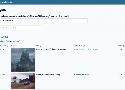
Interesting first exploration of a tiny part of the data set. If you read closely, this shows some of the potential biases in there.
Wise words, if you're always too busy and overloading your team, it's a sign of something... but what? It's important to know since it's what will drive the necessary conversation you need to have.
Nice categorization of the knowledge and skills needed for debugging. Definitely something to keep in mind to focus your efforts.

I think this is a fair account on the state of OCaml in 2022. I wish it'd have grown more and have a bigger community by now. Nice little language still.
Interesting use of XSLT (blast from the past!) to quickly filter RSS feeds.
Let's put this quote back in its context, shall we?