
Clearly a bit US centric but interesting trends nonetheless. We might see some of that reaching Europe (for good and for bad) fairly quickly. At least regarding hybrid work, flexible offices and more asynchronous communication, I've seen it globally spread already.


So much this, managing notifications and making sure not to get disturbed when we need to focus is essential in our line of work.

Indeed, this is the most important skill we need next to coding. Especially in a remote work culture.

The report is very US centric. Still it looks like the future standard for developer jobs will be more and more remote.
I don't think I ever applied all of this. Still some of it definitely work, the rest are ideas worth trying at least.

Very thorought breakdown on the things to keep in mind around remote work. We definitely still need offices and ways to meet. It "just" needs to be rethought how we use them and how we're reachable.
Very good points in there. Indeed there's a natural tension between making and managing. You can't schedule the day in the same way. After more remote work, indeed we'll need more async communication.

It's great to see GitLab be such a public and outspoken champion of remote work. Let's hope more organizations walk the path.

Nice piece on how to handle asynchronous communication in a remote work setup.

I find the title somewhat limiting due to the "Gen Z" label, but content is way more balanced even though fairly US centric. There are a few good lessons about work perception by people.
Interesting to see how a more widespread remote work impact people. Unexpected patterns appear, it's clearly not all for the better though.

This stresses how important to put specific procedures in place regarding remote workers. It's in particular essential to have emergency contacts on both sides.
Interesting paper, shows a surprisingly large percentage of jobs doable from home. Also shows that the frontier between doable or not seems to be at least partly related to inequalities. If you already have high wages, you got higher chances of having the privilege to work from home.

Clairement la tendance de fond c'est plus de télétravail lorsque le travail n'est pas lié à la production de biens ou de service physiques. Cela a le potentiel de bien secouer l'aménagement du territoire avec la montée des tiers-lieux etc.

Good set of guidelines to figure out what works or not in virtual meetings vs in-person meetings.

This is a bad trend. One needs a properly setup space for remote work. This obviously raises questions of real estate and money. I wonder how far employers would go to support remote working there... Buying a chair might not be enough.
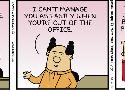
Lots of good advice in there. Per usual quite some of it also makes sense in non-remote teams. Not sure I'd do everything exactly in the same way but that gives a good overall idea of the important points.

That's a lot of good advises to deal with hybrid meetings (some people on site and some remote). In a way that boils down to "put yourselves in the shoes of the remote participants, what do they see and hear?" but there's a couple of extra one.
I particularly like the idea of having remote participants being assigned an in-room "avatar".

Looks like some people fell in love with remote working during the past year. Won't be easy to let go of it for them (for good reasons IMHO, I'm obviously biased).

Long and comprehensive description of how a tiny studio manages to work complete offgrid while traveling. Interesting tips to cherry-pick from.