
Very good piece about that dangerous moment in the creation of the latest large language models. We're about to drown in misinformation, can we get out of it?


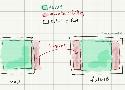
Excellent piece about technical debt. The approach proposed is definitely the good one, it's the only thing which I know to work to keep technical debt at bay.
Yes... python packaging is a mess. I wonder when it'll get properly unified and get a proper single tool and workflow.

This WebGPU framework is getting interesting. Definitely something to keep an eye on and evaluate for productive uses. Obviously requires WebGPU to be widely available before banking on it.
A reminder for me, I write quite a bit, but I feel that I don't write nearly enough. It's very important for plenty of cases though.

Interesting approach regarding estimates. Might especially make sense combined with kanban like project management.
Nice set of problems encountered when using floating point numbers. Definitely to keep in mind.
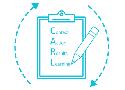
It's coming from the job interview domain... but I wonder if it could be more largely useful due to how simple it is (but not easy mind you). I guess I'll experiment with it for my next project postmortem.

Excellent analysis and explanation of the stutter problem people experience with game engines. It's an artifact of the graphics pipeline becoming more asynchronous with no way to know when something is really displayed. Extra graphics APIs will be needed to solve this for real.
A few examples of why yaml is getting out of control. It is very very error prone at this point.
Nice resource to get started with Prolog.

A love letter to Makefiles. A couple of interesting tricks in there.
Nice nugget reminding us the early steps and basic mechanisms of the CPU life at boot.
I'm more and more tempted by this kind of approach. Managing architecture models using code seems fairly neat. That said I wish we'd have better free software tooling for that, I find it still fairly limited. Maybe I should check out the Haskell library which is mentioned.
Interesting little tool. I usually use make for this kind of things, but it seems to bring some benefits for non build tasks.
Interesting approach although you probably don't want to do this systematically. For some applications it is a good idea.

It's comiiing! OK... not quite yet. But if that prevents your sleep here is an easy way to check.

Not very scientific, but indeed thought provoking and taps into safety considerations.

Finally, we have an idea of why we get ideas in "strange" moments. Fascinating stuff.

Always a good idea to seek reduction in time spent in meetings. I've seen this being too often a drain. Can get quickly out of control.