
I'm not necessarily convinced by all of those. Still there are interesting ballpark numbers I didn't have on my radar as far as management goes.


Really nice little tool, this is indeed surprising how little code is needed for something like this. Treesitter is definitely a huge help there.
Polars really looks like a nice alternative to Pandas with a nice upgrade path from data exploration to production.
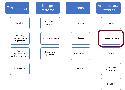
A nice pattern to know and master in my opinion. At least I turn to it on a regular basis.

This is a big milestone for 3D and computation on GPUs from the browser. I suspect it will have interesting security implications though, we'll see.

This lawsuit and the first ruling are indeed very concerning. Let's hope we keep the Internet Archive alive, their work is invaluable.

I definitely used this trick from time to time. In the right context it definitely work. Leaving some easy mess on purpose is a good way to get back into a task the next day.

Looks like an interesting new building block to publish data visualizations.
This ecosystem suffers from the same warts and doesn't seem to make any progress... lack of transparency, "we know better" mentality, tight coupling, lack of communication. This is especially problematic for something like a browser.

A sound list of advises, applicable to most database systems of course.
Good reasons to leave indeed. Better host your projects somewhere else.
Nice balanced post on the pros and cons of GraphQL.

Very nice milestone and interesting tech for sure. Congrats to them!

Well, this is a bit obscure but we have to know it's there somehow. Better not rely on it too much though.
Looks like a nice Faker alternative for Java projects. Turns out I was looking for something like that.

Indeed, it's important. You should own your content, you can eventually syndicate on trendy platforms but keep your own base for your own content.
This is an interesting move. There are good reasons for it in this article. Also some I'm less inclined to take at face value but still, worth keeping in mind.
This is a very concerning for C... and it drifts apart from C++ further. The old "C as a subset of C++" position is less and less valid. Very unfortunate.
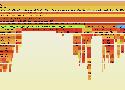
Nice walk through for a use of PyO3 to make some Python code much faster. Nice to see how useful py-spy turn out to be in such scenarii as well.
There are nice mechanism in the Java type system nowadays to no rely on Optional all the time. This is a good reminder of the main alternative.