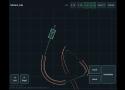
Nice! A recreation of the 2D physics simulation used in the very first GTA. Loved that game and it had a very nice feel in its simulation at the time.


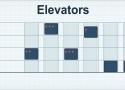
Nice little post with simulations about the algorithms behind elevators. It's quickly more complex than it sounds.
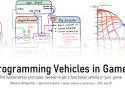
What's in the physics simulation of cars? A lot actually!
Nifty new approach for infinite terrain generation. This is really impressive work.
Exciting! This looks like a neat 3D physics engine.
Nice explanation of everything you need to simulate to make a realistic car simulation in a game.
Nice in depth article on how to run particle simulations using WebGPU. This one has a very life like rendering.
At some point the complexity is high enough that you indeed need more tools than only handcrafted tests to discover bugs.
Nice post about pros and cons of ECS architectures.
SIMD is hard to use, not all problems can apply to it. But when they can, the performance gain can be great.

Very neat shader for a procedural earth simulation. The breakdown is interesting covering the tricks being used in this shader.
Some problems are indeed tackled faster by having a simulation allowing to explore potential solutions. It's tempting to go very formal and theoretical but it'd require more effort and be more error prone.

Good introduction to collision resolution inside of physics engines.
Wonder how to implement such real-time simulations? This is a good summary of all the math involved. Also comes with code snippets and demos.
Very cool simplified simulator. Gives a good idea of how this roughly works.
Nice to see Amazon Lumberyard getting a new life. It's really feature packed.
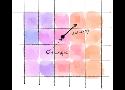
Nice notes breaking down how to simulate fluids. Easily translates to GPU computation too.
This one is a lot. This is a very interesting exploration in rigid body simulation though. Shows well the trade-offs in term of performance and how to keep it usable for third party developers.
Now this is actually an interesting and good use of the latest trend in large language models. You can simulate difficult conversations, getting more experience there can help.
Python is getting faster but is still far from what you can get with C++ of course. That said, for simulations you likely don't want everything in Python or in C++. Part of the challenge is to split the subsystems properly and use C++ where it matters.