I wish more teams would have this kind of thinking an really carry it to its logical conclusion. In most case you don't need an SPA framework.



Looks like the trend is now clear. The reasons for picking a web framework are lessening. It's more and more viable to use the web platform directly.
I strongly agree with this piece. There are very interesting web frameworks out there. They should be evaluated on their own merits but are too often just ignored.
It becomes clear that there are more and more reasons to move back to simpler times regarding the handling of web frontends.
Excellent piece which shows why React (or Angular) is almost always a bad choice and that you'd be better off banking on the underlying web platform. It leads to better user experience full stop. The article also goes in great length debunking the claims which keep React dominant.
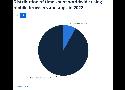
This is definitely true. As long as web frontends are dominated by large frameworks, the web will always have subpar experience on mobile. And the solution isn't going to come from the mobile providers too happy to gatekeep their app store.
Nice return on experience of using a simple stack to serve loads of web requests.
Long post but worth the read in my opinion. It lays out good reasons for reducing the dominance of React and move beyond it. There are good reasons to do so, and they're piling up with the time passing.
Nice exploration of Django + HTMX + web components for a CRUD use case. Interesting insights and highlights some of the limitations with HTMX.
Excellent post about getting too invested in a single tool. We can loose flexibility in the process. Also in the case of React, I didn't realize until now that half of the web developers have never known a time when React didn't exist!

A bit of a rant so brace yourselves. Still, it's very much aligned with the current backslash against "everything must be an SPA" trend and makes very good points on how it happened. This indeed turned into a popularity contest based on false premises. Meanwhile... complexity increased dramatically on the web frontend side and the performances are bad for most users.
A bit of a rant, but even though React is well established at that point and here to stay (shake a tree and half a dozen React developers fall from it), it doesn't mean it can't be criticized. It does a good job at listing the main ergonomics problems React is suffering from. The funny part is towards the end, the envisioned solutions for another framework look eerily familiar to a Qt developer, it talks about signals and what looks like property changed notifications. :-)
Nice demonstration that web frontend can and should be organized like a regular GUI application (like a desktop application for instance). This will bring the same benefits in term of maintainability and modularity.

Indeed, React is a bit too much of the default choice right now while clearly it shouldn't be that way. Let's hope it'll change and something else with more merit will take its place.
Good overview on the state management offer around React. Especially interesting is how it frames the different problems one has to keep in mind to maintain state in your UI.

Not the first time I bump into an article about that one. Solid.js is definitely getting close to something I might enjoy using (unlike React which I dislike quite a bit).

Similar to RR but for web frontends.
There's been an announcement of MediaWiki adopting Vue.js. I think it's interesting to not stop at it and look what their workgroup evaluated and looked at to decide it was a good choice for them. There are a couple of interesting points in there.
I think this piece is getting quite a few points right. The SPA for everything trend rubs me the wrong way at least. As usual: use the right tool for the job.