Or why you should have a proper inventory. Also shows how having a proper MDM in place can help.



Are we surprised? Unfortunately not, they almost increased their indirection emissions 8 folds in a few years. And it could get worse still.
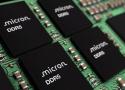
Looks like the mess on hardware prices will continue for a while...
There's really something brewing at AMD. They're on a roll performance wise.

Interesting piece which shows very well the complexity of the hardware supply chain. The parts which matter the most are largely ignored by everyone.
The hardware prices are nuts right now... and there's no end in sight yet.
Well yes... and hopefully the fashion industry won't be enough to hide it.
Interesting experiment on how to totally break the performance of memory accesses. This gives good insights on the whole chain works.
This is an odd and unexpected one! Funny after the facts bit clearly annoying otherwise.
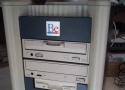
This was definitely an interesting operating system and the hardware was fun too. Of course it was lacking quite a bit in applications availability. This was likely too radical for its time and not mature enough when it needed to.
Nice exploration of floating point arithmetic all the way down to the silicon.
Wondering about NPUs architecture and how they work? This is a good in depth reference article I think.
One of the dark sides of our industry, and this is is accelerating at a worrying pace. Maybe it's time to look at and fix the whole hardware life cycle?
Comprehensive guide to have SSH keys stored in the TPM chip. Clearly it's still a very manual process.
Failing DRAM chips are real. Here is the case of debugging a single bit flip.
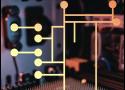
Not all CPUs are born equal in term of branch prediction. Interesting little benchmark.
Wondering how udev communicates with the kernel? And then broadcast events? This covers the basics.
Still a bit mysterious but could be interesting if they really deliver.

Are we on the verge to a push toward a mainframe based future? I really hope not, but for sure the hardware prices surging won't make things easy.

This is definitely a cool hack. Now I feel like doing something like this to every clock I encounter.