Indeed, it's high time our industry leaves the "it's just a tool" rhetoric behind. This claim is a way for us to not take our responsibilities in the design of the tools we make.


Interesting pattern for managing materialized views over a long time.
Neat introduction to the right data structures to use when making a text editor.
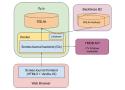
This is a good reference on how to write design documents. It's not as easy as it sounds sometimes, and this guide contains good tips.
A long but very interesting piece starting all the way from early typing on machines to more modern input systems. It's very focused on Apple machines towards the end, but there are good design lessons to draw from the long perspective.
A good primer about design documents. What's nice about this one is the focus on the process rather than the form of the document. Indeed what matters is the shared understanding and making sure the right decision is made.
Indeed it's not simply books vs screens. It's about design and how our attention gets fractured (on purpose). We need to recognise there are many ways to learn and to produce ideas, then design for it. We'd be better off as a civilisation rather than the current attention economy.
A good piece, well designed too. Shows how demanding our current devices are. So much attention requested and so much complexity the user has to deal with. We clearly lost the plot as an industry.
A very good talk which walks you through how to move from object-oriented design to data-oriented design. Shows quite well how you must shift your thinking and the difficulties you might encounter with data-oriented designs. I appreciate a lot that it's not just throwing object-oriented design out of the window, indeed you have to pick and choose depending on the problem space. Also it's interesting to see how C++26 reflection might make some of this easier.
More interesting design ideas in uv. Didn't know about the dashmap crate they're using here it looks like a nice one too.
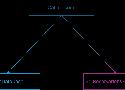
OK maybe a longer piece than it should be. Still the idea is interesting. Clearly you want to mind the O(n) coupling in this context.
I'm not sure I fully align with this piece. The core tenet of generic design advice vs concrete design advice makes sense though.

Unsurprisingly, this is mostly not related to the use of Rust. The design choices are what male uv so fast.
Interesting tool and I like the underlying approach. I wish we'd have good equivalent tools for other ecosystems.
This is a good pattern, use it! This article does a good job showing variants and where it makes sense to reach out for it.
Looks like a nice tool for UX design and getting insights from conversations with users.
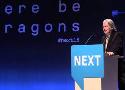
Very powerful talk from Bruce Sterling about design and the startup culture. The most impactful part starts somewhere in the middle (where the URL leads you).
Another illustration of how to use a new type to declare intent for display of values.
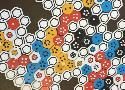
Deceptive title! It's far from simple and the article confirms it. It's fascinating to see all the dimensions you have to deal with to design a game though.

Indeed it feels like the Rust community has a cultural problem around abstractions. In a way it feels similar to the one Java developed years ago. This can bring lots of complexity and obfuscation you don't want in your project.