It all changed so much! That's quite a journey for our field. Of course it's not over yet. At some point we'll be real engineers I guess. 😉


I think this is a good pick at a core skill for senior developers. Indeed removing ambiguity for the rest of the team is an important factor.
Some areas of our industry are more prone to the "fashion of the day" madness than others. Still there's indeed some potential decay in what we learn, what matters is finding and focusing on what will last.
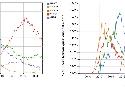
Good followup to a similar piece from someone else about React. Frameworks with a short half-life are not worth the hassle to learn, focus on more fundamental skills instead.
Not a huge fan of the writing style and the pokemon metaphor. That said, seeing your growth as an engineer based on circles is spot on.
It tries hard at not being a "get off my lawn" post. It clearly points some kind of disconnects though. They're real. I guess it's to be expected with the breadth of our industry. There are so many abstractions piled onto each other that it's difficult to explore them all.
Good advice, no one should be a "React developer". Make sure you learn more fundamental skills.

This can change from organization to organization. This post proposes a career ladder which will work in some contexts. What's clear is that it's all about scope and impact.
Another excellent piece from Kent Beck, he's right that the real differentiator in our profession is about digging deep on topics, seeing them through even if that's on the side. Curiosity is a key trait.
Indeed, those are fundamental traits to make sure you learn and make progress on your journey.
Definitely the most important skill to develop. Especially in our profession.

Lots of open questions which are left unanswered. That said it shows how difficult it is to evaluate knowledge workers in general and that we're often grasping to the wrong metrics.
Another good set of advices. They're not all technical which is to be expected.
Interesting musing about what it takes for engineers to grow. Clearly there are a few paradoxes in there... that gives ideas to manage your career though.
Quite a few good lessons in there. Again it's more about social skills than technical skills.
Very interesting insights from someone who's been practicing this trade for a long time. I agree with most of it, it's inspiring.
You got a career ladder in place? Well, that's just a first step, how do you make sure the expectations are clear to people? How do you follow through? This article helps with those questions.

It sometimes feel a bit like caricature... but there's some truth grounded into this article. The faster new software engineers internalize the proposed "truths", the better for their own mental health.

Ever wondered what the job of CTO encompasses? This article does a good job at it. It's especially nice that it's split based on company size. Indeed, the role can change dramatically depending on how big an organization is.

Interesting to look at several career progression models and compare them indeed. This is likely necessary when making your own model for your context.