This is a good goal, I wish them luck.


Not a huge fan of the writing style and the pokemon metaphor. That said, seeing your growth as an engineer based on circles is spot on.

I wish other platforms would go through so much scrutiny. Still it gives a good idea about the mental health issue they collectively represent.
I'm not a huge fan microservice based architectures. That said the parallel done there is interesting and a good reminder that the "write programs that do one thing and do it well" quote is incomplete.

Interesting exploration on the difficulties to switch a team to XP. I'm not fully aligned with some of the fine details pointed there... That said there is a core truth that "XP is about social change" so if you mandate it as a managerial decision it can't be XP anymore.

The browser extension ecosystems are definitely a weak link in term of security. Better not have too many random extensions installed.
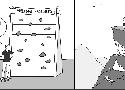
Need to write a tutorial? Here is a good set of rules to follow. Don't be fooled, it sounds simple but it is hard work.
Parsers are required to normalize URLs but often they just don't. To be kept in mind in your code.

Very good background information on the latest attempt at discrediting Wikipedia.
Good advice to work with large legacy code bases. You better know it very well before you make large changes to it.

Good overview on how the databases landscape evolved the past year.
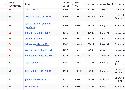
Good perspective on how the generative AI space evolved in 2024. There are good news and more concerning ones in there. We'll see what 2025 brings.

The results are unsurprising. They definitely confirm what we expected. The models are good at predicting the past, they're not so great at solving problems.

Very nice piece. This is indeed mostly about building organizational knowledge. If someone leaves a project that person better not be alone to ensure some continuity... lost knowledge is very hard to piece back together.

The Web standards are indeed too complex. That severely limits the possibility of browser engine incumbents. I agree there's a deeper lesson here about the scale of technologies.

Or why making a dent in the enterprise software space is hard for FOSS... The good news is, it'd require setting up whole ecosystems of services.
Looks like a nice tool for a simple management of your project specific secrets.
Or why you shouldn't insert an abstraction just for the sake of it. Also clearly not all abstractions are created equal.
This highlights quite well the limits of the models used in LLMs.
Nice little introduction to the ELF format.