Sometimes I really regret Plan 9 didn't take off. So many good ideas and designs in there.


Very interesting! This is really old wisdom which should be more widespread. A few words of caution in there for everyone, me included.
This is an excellent and needed work of contextualization. Ten years after, looking back at how the Snowden Revelations impacted the internet and the work done by the IETF. It also shows there is plenty more to do...

Very interesting explorations of the early days of automation and computation. This shows another face of Babbage which is often ignored. It is a cruel demonstration on how his machine were first and foremost encroached on division of labor as inspired by plantations.

Indeed, without deciding to put everything in the public domain, the face of the web would have been very different.

I actually always wondered about this, now I know. :-)

Excellent piece which summarises the big design decisions behind the Internet. It's very didactic, also highlights the flaw toward the end. This is reference material.

This lawsuit and the first ruling are indeed very concerning. Let's hope we keep the Internet Archive alive, their work is invaluable.

Nice historical perspective from Alan Kay about the MVC architecture pattern.

Fascinating old school way to manage cables. And indeed the result looks pretty as well.
Very interesting technique. Clearly some more work but prevents deforesting like mad for lumber. It's amazing to see those... clearly a bit like giant bonsais.

I love this kind of explorations. Where does the term boilerplate code come? Let's find out.
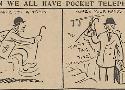
Interesting look at the perception of cellphones before they even existed.

Very interesting article. The medieval pig is totally not like we imagined, both on how it looked or how it behaved.
Very interesting post about the history of UML and the MDA approach. Clearly MDA and UML v2 was the beginning of the end for UML. That's too bad, I find UML still useful for sketching and communication between humans.
The death of the floppy disk has been greatly exaggerated it seems. At least for now...
Interesting Java history put in perspective. Indeed it's been stagnant and have been picking up again... reminds me of another famous language.

Let's get the record about medieval time straight, shall we? They weren't as filthy as we like to pretend, far from it.
One of the best developer tools around for analysis and profiling. I'm glad it exists, saved me a few times.

OK, now that's a surprising bit of DNS history.