I didn't read it since it's basically a whole book. Still from the outline it looks like a very good resource for beginners or to dog deeper on some lower level topics.


Interesting way to approximate how loaded a system is.
Nice article explaining unikernels and showing the example of MirageOS.
A good reminder on how the "five why" are just a starting pont. For proper investigation and risk management you need to go deeper.

Can't say I learned much but that was a very neat refresher. It's very well done, so if you never dabbled in the basics of how the hardware or the kernel work I strongly recommend reading it.
Definitely this, what matters most is being able to change previous decisions. In comparison each decision itself is less important.
This rings true to me. What a messy path to get better at our craft!
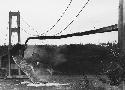
Indeed, it's important for architects to get their "hands dirty". Organizations where it's not the case prevent their architects to challenge their assumptions pushing them to stay in their ivory tower. It's a good way for bad decisions to pile up over time.
Like it or not, this is definitely filling a very unique niche. It's a very good fit for system software where safety is important and available time limited. There is no better option for now.
Very interesting piece. Goes in length about the UNIX history and the evolution of POSIX. It also highlight its limitations and where the design needs to evolve.
In the end, this is a nice conversation about language design...
OK, it's 2022 and this is still not an adequate ecosystem for system programming.
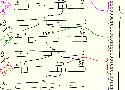
Excellent deepdive about pipes, on the path to optimization we see how perf is used, how memory is managed by the kernel etc. Very thorough.
Nice way to demystify syscalls in the Linux kernel. It's not that hard to add new ones.
A good reminder of why you don't want to mess too much with the VCS history for systems with long term maintenance and several stable releases.
Excellent reminder of how awesome strace is. This is one tool every developer needs to know, it often saves the day when everything else fails.