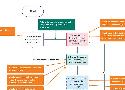
This is apparently a much needed clarification. Let's get back to basics.


Definitely this. Again TDD helps to work on the design, but it's not a silver bullet which will give you the right design on a platter.
This is a good set of properties to strive for. Since the SOLID principles start to show their age this might be a worthwhile alternative.
Good summary that TDD is many things... it helps for quite a few dimensions of writing code, still, it's not a magic bullet in term of design. Your software design abilities are crucial to practice it well.
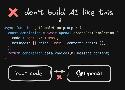
A balanced view, that's refreshing. Indeed we see too many "let's call the OpenAI APIs and magic will happen". This is very short sighted, much better can be done.

Interesting set of advices. There are a couple I tend to disagree or doubt they really matter though. Other than that probably worth keeping in mind.

It's nice that we get more content usable on mobiles... but this shouldn't come at the expense of bad usability when on desktops.

There will always be some design and some testing. The intensity of both activities needs to be properly managed over time though.
Definitely a good principle to follow when designing APIs. Otherwise you make them less obvious and more dangerous to use.
Yes, definitely this. Plenty of reasons why it's important.
OK, this is a very bleak view... maybe a bit over the top I'm unsure. There seems to be some truth to it though.
Definitely this, the message is often coming across lacking nuance. TDD can help you towards good design, but it's not ensuring you'll have a good design.
This is indeed a good thing to hide dependencies behind interfaces when it makes sense.
Good reminder that we have no idea of the window size the user will have. It's in the context of web frontends here, but really it applies to desktop applications as well (we have a bit more control on the minimal size there but that's it).
Interesting look at module systems and what they entail. It's funny to see that most languages do things slightly differently in this area.
Black has been getting too much of a bad reputation in the last few years. This article makes a good job arguing for a more balanced view.

I always felt uneasy around this "law" as well. It's a good deconstruction of it and proposes proper alternatives. It's all about dependencies really.
Good set of advises for Python APIs. Some applies more generally though.
Interesting parallel taken with IKEA. Some of their principles translate to nice traits for software as well.
Interesting post, highlights why it's better when languages are designed in a more community fashion (make sure to read until the conclusion). At least in term of popularity it seems to help.