Nice explanation of what Bloom filters are for and how they work.



Looks like that following parts were never written. This piece is interesting by itself though, it's nice to have a record of the early times of SCCS and RCS.

Interesting history outlook on where Lean Software Development is coming from. The focus on flow efficiency rather than resource efficiency is definitely key.
There is definitely something tragic at play here. As we're inundated in fake content, people are trying to find ways to detect when it's fake or not. While doing so we deny the humanity of some people because of their colonial past.
Very good distinction between creating and making. That might explain the distinction between people who love their craft and those who want to automate it away. The latter want instant gratification and this can't stand the process of making things.
This is what you're signing up to with such ecosystems. Can't use those for backups even though people are led this way. Sure technically the data is safe on their infrastructure, but is your access to said infrastructure guaranteed? This gilded cage looks less like a gift when you loose access.
Those AI scrapers are really out of control... the length one has to go to just to host something now.

Wondering why gamma correction is needed? Here is a good explanation of gamma and sRGB.

I keep being surprised at how common this kind of mistakes are. I probably shouldn't, it's actually kind of easy to fall into such traps.
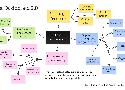
This is a nice update on the criteria you want to have in mind for good test suites.

Very powerful talk from Bruce Sterling about design and the startup culture. The most impactful part starts somewhere in the middle (where the URL leads you).
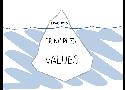
Or why focusing on the practices will likely lead to cargo cult and you might never reach the real benefits. Don't mimic other organisations, think about the underlying philosophy.
There's a balance to strike on quality. Too much or too little and you won't be able to progress towards the user needs.

The HDMI Forum is still a bad actor for Free Software... They just don't want open source drivers to exist.
TLS inspection software is indeed a very bad idea. You'd better not have them in your organisation.
Simple tips to make calls more enjoyable for everyone.
I wouldn't apply everything in there, but there's good ideas as well. I guess YMMV, so if you're remote working, I'd say pick and choose what works best for you.
A good reminder than the supposedly seminal paper about waterfall process was likely identifying it as an anti-pattern.
It's indeed fairly underrated but very useful, especially if you're making libraries.
There are indeed options for managing dependencies in more complex Rust codebases. It needs to be planned properly when doing the software architecture of your components though.