A very neat 3D experiment in the browser. The 3D abilities in this context made a lot of progress lately.


Interesting approach although you probably don't want to do this systematically. For some applications it is a good idea.

Nice guide, the interactive parts definitely help. Good way to improve CSS use.
It's at least nice to see people paying attention to this and fixing their applications accordingly.

Admittedly I share the sentiment... I don't think there is any viable solution in sight though.

Definitely a cool trick. Not really practical yet due to the performance and differences of behavior in the various browsers. Hopefully his will get solved at some point.

This is a good question... not a good outcome overall. Are we really heading that way? Looks like it.

Interesting opinion. Indeed, as the browsers are packing more features they can deal with more frontend complexity themselves. This is an opportunity to reduce the amount of code in the frontend code at least for some use cases.
There is indeed a trade-off approach available nowadays between "backend computes the whole page" and "frontend computes it all in JS". This sounds like an interesting patch depending on the project context.
It was only a matter of time until this kind of things would be doable through webassembly. I'm wondering about the size of the payloads the browser needs to download though.

We're really getting everything in the browser these days, even barcode detection.
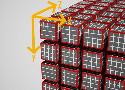
Interesting introduction into WebGPU. Nice to see it's not quite Vulkan because some abstraction is needed in the browser (although, of course the approach is similar). There's also a couple of design choices which are welcome to improve portability.
Now let's hope it gets stable and widely supported soon.
Interesting stuff coming especially on the CSS side.

Or why browser monoculture is bound to become more and more of an issue. Sad to see Mozilla's weak response to this move. Can't bite the hand that feeds I guess.