Interesting setup for self hosting on immutable infrastructure using bootc.


A small change in the standard, but it opens the door to interesting uses.
Still very young but it looks like it might become a nice and friendly alternative to strace.

Kind of resonate oddly with the string of talks I gave talking about craftsmanship a decade ago. Looks like FOSS communities at large have no choice but get inspired by such old practice.

Bluetooth might be convenient, clearly it leads to metadata leakage though.
Didn't know about sorting networks. They have interesting properties and are definitely good options on modern hardware.

Another nice resource to discover newer CSS idioms.
I find surprising it's not by default... But here we are.
Interesting new tricks with the introspection of Python type annotations.
I agree with this very much. The only productivity metric in the end is the end-user satisfaction.
Of course it's a question of the amount of allocations you need.
Interesting insights from optimisations done on the Quake engine almost thirty years ago.
We take font rendering for granted but this is more complex than one might think.
This is indeed an excellent technical documentation wiki for the Linux ecosystem.
Useful article summarising the current state of the AI madness trying to see what's useful in there and where the risks are.
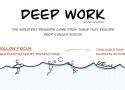
Quite some good tips in there. If you want to do deep work you need to arrange your organisation for it. Using asynchronous communication more is also key in my opinion.
A bit buzzword oriented, still I think it's true that most of those principles make sense.
Indeed, don't assume they misunderstood the sci-fi and fantasy they read and you know. Clearly they just got different opinions about it because their incentives and world views are different from your.

Automated DMCA take downs have been a problem for decades now... They still bring real damage, here is an example.

There's really a problem with journalism at this point. How come when covering the tech moguls they keep leaving out important context and taking their fables at face value?