
A bit of history behind what's probably the most widespread local network technology.


Very thorough explanation of an interesting NAS setup. There are a few interesting tools I didn't know about in there.
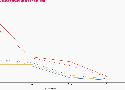
Interesting exploration of the performance for web resources when they're bundled or not. Also dabbles in the reasons behind the exhibited performances, definitely to keep in mind.
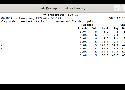
Know your tools. Those are useful to check network uses.
Interesting way to approximate how loaded a system is.
Looks like a very nice alternative to ngrok. It's free, doesn't require any particular command to download, just works through SSH.
Doesn't go much in depth, but this is a nice resource with interesting references to follow to dig deeper and learn mDNS.
Very nice explanation about TCP_NODELAY and its implications.
Interesting way to look at the problem, definitely thought provoking.

Excellent piece which summarises the big design decisions behind the Internet. It's very didactic, also highlights the flaw toward the end. This is reference material.

Fascinating old school way to manage cables. And indeed the result looks pretty as well.

This is indeed a strange default used for sockets there... will have bad consequences for sure in more situations than expected.
A good reason to try to make pages as small as possible. Interesting to see where this threshold is coming from.
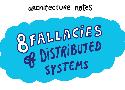
The current microservices obsession not only invite undue complexity in systems, it also bring unprepared developers into network related traps. This is a nice summary of the common misconceptions around this.
Looks like a very interesting toolkit for low level network related or security related operations.
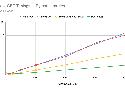
Interesting use of Rust behind a Python API. This is IMO an interesting niche for the language.
Oh this is really neat! This is a good way to visualize how it evolved over time, I find the period starting in 2005 especially interesting.

This looks like a nice way to somewhat safely expose self-hosted services to the outside.

Looks like a very interesting approach. This is still clearly for techies though, but time will tell.
Interesting explanation of a major BGP mistake.