It's little known that regular Git has a server mode. The thing is that it's not often useful beyond sharing over the local network. Know this tool leverages magic wormhole to share repositories with peers over the Internet. This is really cool stuff in my opinion.


Could be interesting if it gets standardized. Maybe other forges than Gerrit will start leveraging the concept, this would improve the review experience greatly on those.
This paper is a look back at SCCS. This is nice to see how much progress was made in version control systems since then, it's also interesting to see how the design choices changed.
Looks like a nice alternative to git rebase to manage patchsets. Definitely interesting if you're using something like Gerrit. With other forges... It'll depend how your reviews are handled I think.

Looks like a neat little tool to explore git repositories.
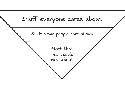
Might be going a bit far if you use everything listed here. That said, it gives lots of good ideas so you might want to decide on what you should adopt on your project.
There are pros and cons to using a forge, same thing when not using a forge. Let's not forget you don't have to use one though. Also this piece mentions git bundles which I didn't know about, it looks interesting.

Or why even the core git developers don't really use the defaults. This piece gives good knobs to play with in order to have a nicer experience.
This article is feature packed, lots of great ideas to exploit git trailers. This can help automate some workflows easily.
Stuck in a state you don't like with Git? Here is a list of funny recipes.
Looks like a nice tool for a simple management of your project specific secrets.
Jujutsu is indeed alluring... but its long term support is questionable, that's what keeps me away from it for now.
Looks like a nice way to improve handling of merge conflicts. I'll test this one out.

Ooh! This looks like a really neat improvement. I wonder how reliable this is, I'll definitely test it.

A bit too much of a rant for my taste (even though I agree with the GitHub flaws). That said it illustrates nicely a use of git range-diff which is often overlooked.
Maybe we could store metrics about the code in the history as well? This would indeed reduce vendor lock-in. This tool makes it easy. Unsurprisingly seems built upon git notes.
I like the idea of getting all the review comments back into Git once things are merged. This works offline, makes you less dependent on the forge for historical data etc. Now we'd probably need to have the notes feature easier to use somehow.

Oh fancy! I didn't know this git log parameter. Definitely useful.
A nice collection of versioning schemes. I definitely didn't know them all.

The often forgotten history behind the creation of Git. This article does a good job summarizing it.