
This stays true, most projects are maintained by a single person and that's a problem. Where is the support from all the businesses benefiting from FOSS?


An old paper which is still very relevant today. It's very much written in the context of the early women's liberation movement, and yet the lessons a much more broadly applicable.

It's indeed difficult to separate FUD from the real community issues around Matrix right now. We'll have to keep an eye on how things evolve.
Nice idea and well executed I'd say. If you got doubts about something being FOSS, stopping there and checking is in order.
This is definitely a paradox in community dynamics.
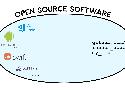
I'm not sure this dichotomy is enough for building a taxonomy of FOSS projects. But I guess it's a start and captures something often missing in other such attempts.
Flatpak is at a crossroad I'd say. The project really needs to find a way to move forward.
There's a sustainability issue for the REST support with Django. Hopefully this will resolve.

The picture is a bit to bleak I think, but there's indeed currently a divide in terms of HTTP/3 adoption. This is fairly aligned with the big players vs long tail creators divide. Hopefully this will get solved at some point.

Indeed, the Fediverse needs to be better known. Any small actions towards this goal helps.

The WordPress is still unfolding... I wouldn't be surprised if it ends with a fork.
Definitely a good list of advices for first time contributors.

It's clear that a split is forming in the C++ community on how to evolve the language. Could it lead to a full fledged divorce?
There is a sane conversation going on around uv in the Python community. Here is a good summary.
Indeed this is a much better visualization. It shows quite well how the Python programmers pool is growing.
This is indeed a problem. Somehow it became much harder to attract younger developers.
Excellent post showing unhealthy consumer/maintainer dynamics in FOSS projects. This particular example was instrumental in getting the xz backdoor in place.
Lots of good advices of course. It goes a long way to improve the quality of the project and the ease to on-board people. This is quite some initial work though.
Indeed, time to leave Redis behind in favor of Redict. It's not like one can expect new things to come out to such a project.

Good reminder that contributions are not only about code. Documentation, support, release management and so on are very important as well and too often underrated.