Good arguments around the microservices hype. People advocate for it way more than reasonable, this applies only in rare contexts.



Good explanation of why the complexity of CSS code quickly gets out of control.
A good reminder that it's not all rosy with Python type-hints. There's definitely room for improvements.
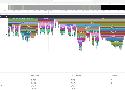
This looks like a very interesting tracing tool for debugging and profiling purposes.
That looks like a very interesting tool for larger Python based projects. Definitely need a way to profile memory use in there.

I like this approach to technical interview questions. I do something similar in some cases with a mix of reading and writing.
Interesting to see how a more widespread remote work impact people. Unexpected patterns appear, it's clearly not all for the better though.
Good list of interesting CLI tools. I adopted quite a few of them, there are more I'd like to evaluate.

Funny experiment, that's a seriously small docker image now!
This is a good example in my opinion: stick with simple choices as long as possible, invest the complexity where it matters.
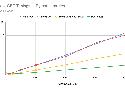
Interesting use of Rust behind a Python API. This is IMO an interesting niche for the language.
Nice list of lesser known tricks with Python formatted string literals.

OK, definitely not something I'd advise by default. Still, if you're in the right situation that might be an option. The fact that they don't deploy in one go is definitely a factor here.

OK... now that's really neat for most teaching situations. I want one. :-)
The never ending debate on the tools used to produce free software. Of course, in general those tools should be free software as well (IMHO).
Admittedly, the go toolchain seems to handle supply chain problems in a neat way. I especially like the VCS as the source of truth.

I like the noise metaphor it briefly mentions. It's indeed similar, you're within constant noise, you don't notice it anymore but still when it stops you feel relieved. The benefits listed are indeed to be expected.
OK, that's indeed an easy mistake to make with docker and how it uses OverlayFS.
Interesting way to see where to spend time in reviews.

This article is spot on in my opinion. This resonates so much with my own experience and ethos... I guess I could have written that if my prose was any good.