Looks like an interesting Free Software alternative for digital documents signing.



Interesting update. Looks like Go is making progress at its own pace and tries to stay small.
Hosting applications can be cheap and simple. You need to cater to complexity and mind your dependencies.
All the good reasons to have a blog. This is why I keep maintaining mine.

Yet another article on how you can do search straight in PostgreSQL. This one goes a bit further in how to put the pieces together though.
A little article which serves as a good introduction to the pytest fixtures. They are indeed very useful I think.

Interesting dive into the DisplayPort protocol and its advantages, looking forward to the next article in this series.
Interesting list of advises. Most of it makes sense, I'm less convinced about avoiding the headers for the authentication mechanism though.

This is about behavior and not structure indeed. Put the focus at the right place otherwise your tests will quickly become expensive to update.
Neat way to see how several queuing strategies behave. Picking the right one for your system is important.

A bit sarcastic, but makes its point efficiently. It's important to realize that more code to maintain is definitely not what we need.
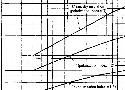
Calls a bit too much everything mocks while the term test double would have done the job. Still it stresses fairly well the importance of being as close to reality as possible and the tradeoffs we have to make.
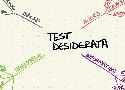
Where does this style of tests shine? A few elements to consider.

Nice little article about Conway's Law. Shows nicely all the ramifications it has.
It's definitely tempting me to switch my blog comments to the fediverse as well.
Black has been getting too much of a bad reputation in the last few years. This article makes a good job arguing for a more balanced view.

It'll be interesting to see where this complaint goes.
Very nice article. We must not loose from sight that actual learning requires some sort of effort. Even better when it's coupled to using your hands (definitely why I still take notes written by hands for some things).
I'm not necessarily convinced this is as much a silver bullet as it is presented here. Still there are benefits to such a structured approach for reviews in community projects.

I mostly agree with this. I'd just complete it a bit: it's probably a good idea to have at least one language where you went really deep in (emphasis on at least). A kind of strategy to aim at "T shaped skills" (or better "paint drip shaped skills").