Very refined attack including the social engineering side of things. Catching developers with coding challenges, it's definitely cunning.


An attack which doesn't want to die. Time to retire RSA use with TLS, this is really overdue.
Nice and fun little demo of what can be done with CSS animations.
Interesting property of the newer UUIDv7 spec.
Interesting primer of the intricacies of database migrations. It can get complex fairly quickly.
Looks like it was a very interesting talk. Situation still needs to be monitored in any case, it's uncertain how those cases will be ruled.
Very thorough paper on optimization techniques when dealing with GPUs. Can be a useful reference or starting point to then dig deeper. Should also help to pick the right technique for your particular problem.
Good way to understand two phase locking better, its tradeoffs, variants and how it's been improved.

Fun way to understand better the CSS layouting using flexboxes.
Looks like an interesting alternative to things like postman or insomnia. To test when I get the chance.
Really a bad summer for Microsoft security wise. Trust should be low among Azure customers now. Who was paying attention though?
Totally missed this over the summer... this is a huge breach. It will have a long lasting impact. The scope might be larger than we expect.
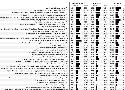
Interestingly (or maybe unsurprisingly) most of the factors this research found impactful are not technical. So mind the social constructs of your organization.
Good primer about database transactions and the issues you might run with when using them.

Nice improvements coming to the Python typing system. Especially interesting in the case of kwargs.

Interesting light shed on Javascript early history.

Lots of food for thought in here. I really appreciate how Kent Beck's thinking keeps evolving. This Explore, Expand, Extract curve is indeed a good way to frame things. It is a good base to know what to put in place or not.
Definitely this, use standard locations as much as possible. We can tame the mess of dotfiles in user homes.
Interesting new side-channel attack. A bit mind boggling to be honest. Only one browser seems affected so far (since it's Chrome probably most of its variants are affected as well).

This is more manual work of course but too often forgotten. This way you get easier database migrations in complex environments though.