
Good list of advices for someone who just got started programming. Who knows, it might come in handy later.


Very thorough explanation of an interesting NAS setup. There are a few interesting tools I didn't know about in there.
The spectre attack still has real world effects... This affects Safari this time.
Beautiful text. She talks with fondness about her grandfather, but there's indeed lessons about craftsmanship here. It's not only about machines, it can't extend into a humanist world view.

A longer account of a seminar showing the amount of people and arguments against chat control. The EU commission is pretty isolated in this madness.
This is a very worrying development in Europe. This feels a lot like a dream come true for police states... Let's not go there.
Indeed, going for scrutiny on made up numbers probably won't get us nowhere. Tweaking them won't help either. It's the shared goals which matter most.

An important read in my opinion. This whole manifesto from Andreesen is just ludicrous and this explains very well why. In any case we need more techno-pragmatists and less techno-optimists.
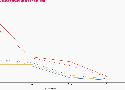
Interesting exploration of the performance for web resources when they're bundled or not. Also dabbles in the reasons behind the exhibited performances, definitely to keep in mind.
Looks like a nice new solution to host and serve global maps.

Nice to see Amazon Lumberyard getting a new life. It's really feature packed.

A very needed tool unfortunately. This is fascinating research as well. The world is really so cyberpunk now.

A database we take for granted... but if you look in the margins it's full of history and very well crafted.
Definitely an excellent list to have in mind as soon as you get to engineering management. The four areas listed are the most important.
If you got to implement an OAuth integration. Please be responsible and don't do this... this could lead to very serious breaches for your users.
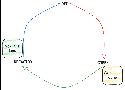
Definitely this. One is more painful than the other though. It's a question of paying small price over tine vs paying a big cost later.
Healthy criticism of where our industry went. Engineers should exhibit curiosity on how the sausage is made, not just blindly use tools they don't understand.
Beware the fraudulent cheap drives you can buy nowadays. Looks like a nifty tool to check a drive if you have suspicions.
This gives a good list of things to try when optimizing (Rust code or otherwise).

Definitely a good advice. We're just better at understanding positive boolean expressions.