Some news from the Apertus project, they released smaller models. Interesting work.


This is an interesting proposal, let's hope it gets picked up and appear in more licenses.
Those improvements are welcome. I wish we'd see more std::format uses.

Designing APIs for the Web platform is hard and error-prone. This is why it carries baggage, here is a good example.
Indeed, we try to limit the amount of code we need to maintain. But configuration can bring its own complexity and maintenance burden as well.
Aren't the signs clear enough yet? Don't get misled by Bluesky.

Good advice on naming booleans. It's worth repeating.
This is just the beginning in a way, but it'll be a game changer for Java. The value classes will allow for better memory density.
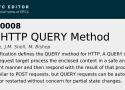
Looks like we're getting a new HTTP method. This should help remove ambiguous POST calls when really what you want is to query. This is long overdue, let's hope this new QUERY method sees quick adoption in servers, frameworks and services.
Not CE features coming out of the box in the next Emacs release.
A long but very interesting piece starting all the way from early typing on machines to more modern input systems. It's very focused on Apple machines towards the end, but there are good design lessons to draw from the long perspective.
Neat little summary on the mechanisms to ignore files in Git.
A very balanced set of recommendations from the SFC around LLM uses. It's just the beginning and still lacks a bit in details. It's very welcome though and I look forward to their updates.
What happens when targeted scams become cheap to run? This covers it fairly well, and we need to change our heuristics and trust model.
Or why modern economics mostly loose the plot when you try to factor Open Source in there simplistic theories.
Looks like a nice command line tool for exploring data.

Sounds obvious to me, but I guess it's worth repeating. It illustrates well the type of issues you still have to deal with in multi-threaded Rust.
This is an excellent exercise to understand a language and its ecosystem better. This time it is about Rust.
Looks like a good book. This review definitely tempts me.

So many possibilities with Perlin noise! There are some really fascinating textures in the lot.