
Since this particular fad apparently doesn't want to die... this is a good reminder about why you want to do something simpler.


Very nice piece. Hopefully it'll push people to remember that the big social media enclosures are not really the Web. We can have more democracy on the Web again if we collectively want to.

Good introduction to collision resolution inside of physics engines.
Looks like a nice CSS library for the semantic styling of web content.
Definitely this, it's not the first time we see such a hype cycle around "AI". When it bursts the technology which created it is just not called "AI" anymore. I wonder how long this one will last though.
Where WebAssembly is, and where WebAssembly on the server is going... let's hope it doesn't become another CORBA.

We're still fairly dependent on just two major web indices... time for an index built as a common for everyone to use?
The often forgotten history behind the creation of Git. This article does a good job summarizing it.
No, your model won't get smarter just by throwing more training data at it... on the contrary.
Fascinating bug... the fine details of mundane protocols like SMTP can sometimes be surprising.

Interesting discussion about UI density. What are we talking about? Is there value to is? Which aspects of a UI are impacting it? The conclusion makes it all very clear.
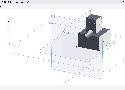
This gives a good idea of the important parts in a CAD program. It also list a few of the usable libraries to build one such program in the browser.

This is completely nuts... they really want to unleash a security and privacy nightmare. The irony is that it does respect DRM content on the other hand, we can see where the priorities are.
Neat trick, especially useful for CI uses.
A bit too GitHub centric for my taste. Still it shows some unwarranted bias, especially when outsiders to a project are identified as women. We should do better.
Very extensive guide on writing better commit messages. This is important, it's a very central communication mechanism with other developers.
Looks like an interesting new search engine.

This is indeed sad to see another platform turn against its users. This was once a place to nurture young artists... it's now another ad driven platform full of AI made scams.
Definitely too much hype around large models right now. This over shadows the more useful specialized models.

Open is unsurprisingly only in the name... this company is really just a cult.